


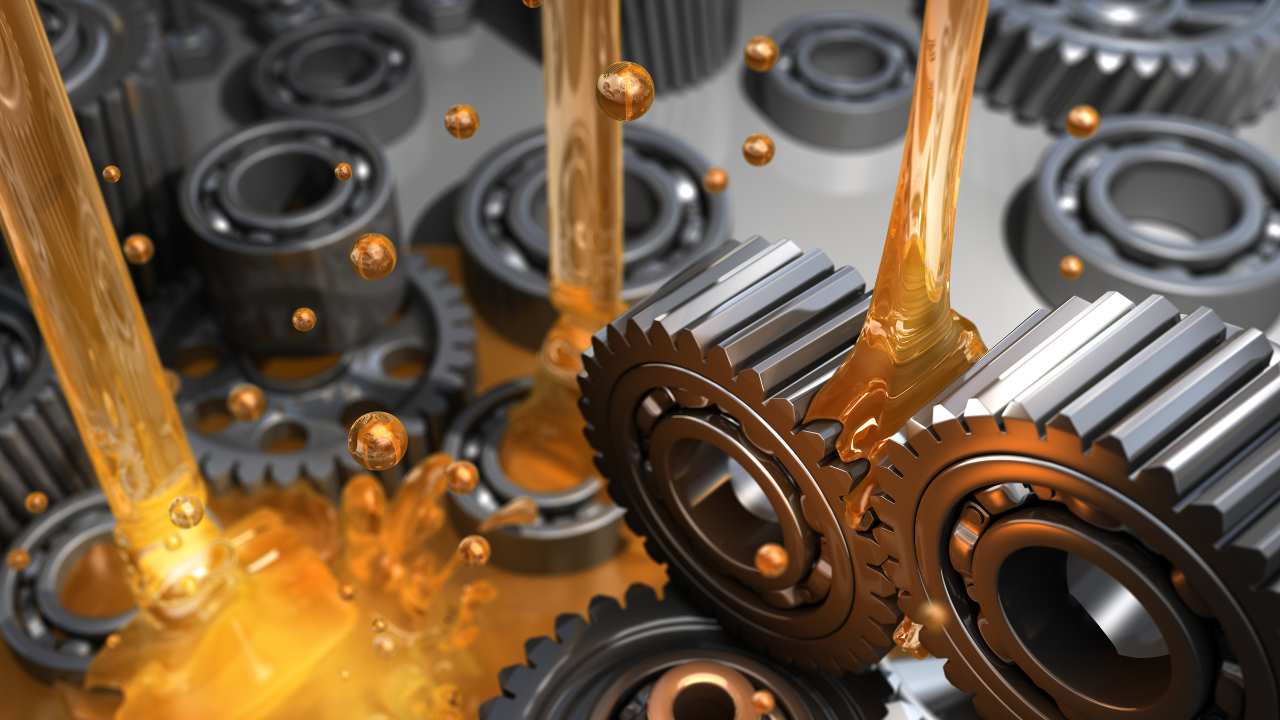
Understanding Lubricating Oil Analysis in Full

Lube Oil Analysis is a laboratory examination of oil samples used in engines to evaluate the condition of the lubricant itself and detect the internal condition of engine components. This procedure involves various physical and chemical tests that measure contamination levels, lubricant degradation, wear metal content, and the oil's ability to protect the engine. By performing routine analysis, operators can identify potential problems before serious damage occurs, extend engine life, and optimize oil change intervals based on actual conditions rather than simply following the manufacturer's general schedule.
Why is Lubricating Oil Analysis So Important?
Think of engine oil like blood in the human body. When doctors take a blood sample for testing, they can learn a lot about our health, from blood sugar and cholesterol levels to signs of infection. The same principle applies to industrial machinery, heavy vehicles, and other expensive equipment.
Every time an engine operates, metal components rub against each other, producing microscopic wear particles that become entangled in the oil. The lubricant can also be contaminated by water, dust, fuel, or oxidation products. All of these "traces" are stored in the oil and can be detected through laboratory analysisThis is what makes oil analysis such a valuable diagnostic tool: we can “hear” what’s going on inside the engine without having to dismantle it.
Key Parameters in Lubricating Oil Analysis
Viscosity
Viscosity is a measure of the thickness of oil, and it is the most fundamental property of a lubricant. Oil that is too thin will not form a thick enough protective film, while oil that is too thick will impede flow and increase energy consumption.
Changes in viscosity can indicate a variety of problems. A decrease in viscosity may be caused by fuel contamination or damage to polymer molecules due to excessive mechanical shear. Conversely, an increase in viscosity usually indicates oxidation, evaporation of light fractions, or solid particle contamination.
Aus Metal Adjustment (Wear Metals)
This is one of the most fascinating aspects of oil analysis. Using spectroscopy, laboratories can identify and measure the concentration of various metal elements in oil with high precision. Each type of metal provides clues about which engine components are experiencing wear.
For example, high iron concentrations can indicate wear on piston rings or cylinder liners. Copper and tin indicate bearing problems. Aluminum may be caused by piston wear. Chromium can indicate wear on piston rings or cylinder liners. By monitoring metal concentration trends over time, technicians can predict when components will reach critical wear limits.
Contamination Level
Contaminants are the main enemy of lubrication systems. Water is one of the most dangerous contaminants because it can accelerate corrosion, disrupt lubricating film formation, and cause oxidation. Even a water content as small as 0.1% can reduce bearing life by up to 50%.
Solid particles such as dust or dirt entering through an imperfect intake system will act like sandpaper, eroding metal surfaces. Meanwhile, fuel contamination, which frequently occurs in diesel engines, lowers viscosity and reduces the lubricant's ability to protect components.
TBN and TAN values
The Total Base Number (TBN) measures the oil's ability to neutralize acids formed during combustion. As oil is used, the TBN decreases as alkaline additives are consumed. When the TBN reaches a critical level, the oil loses its ability to protect the engine from acid corrosion.
In contrast, Total Acid Number (TAN) measures the acidity level in oil. An increased TAN indicates oxidative degradation of the lubricant or contamination by combustion products. The ratio of TBN to TAN provides an indication of how much "life" remains in the oil.
Oxidation and Nitration
Oxidation is a chemical degradation process that occurs when oil is exposed to high heat and oxygen. This process produces organic acids, varnish, and sludge, which can clog oil filters and passages. High-temperature operating conditions, such as those in turbochargers, significantly accelerate the rate of oxidation.
Nitration occurs more specifically in diesel and gas engines, where nitrogen oxides from exhaust gases can enter the lubrication system and react with the oil. Nitration products contribute to the formation of deposits and oil thickening.
Correct Sampling Method
The quality of an analysis depends heavily on the quality of the samples taken. Unrepresentative samples will produce misleading results, no matter how robust the laboratory equipment.
The timing of sampling is crucial. Ideally, samples should be taken when the engine is operating normally and the oil has reached operating temperature. Avoid sampling immediately after an oil change or when the engine has just been started, as contaminants and wear particles are not yet evenly distributed.
The sampling location is also important. For large machines, samples should be taken midstream, not from the bottom of the tank where heavy particles settle, and not from the surface where light contaminants float. Many modern systems are equipped with special sampling valves that allow sampling without stopping operation.
Procedural hygiene should not be neglected. Use a clean, dry sample bottle, avoid cross-contamination with other oils, and ensure the bottle cap is tightly closed. Complete information about the engine, oil type, operating hours, and maintenance history must be included to allow the laboratory to provide an accurate interpretation.
Interpretation of Results and Follow-up
Obtaining an analysis report is only the first step. Proper interpretation requires an understanding of the normal conditions for your specific machine type and application. This is why trend analysis is more valuable than a single result; patterns of change are often more informative than absolute values.
When results indicate an anomaly, the action taken depends on its severity. A gradual increase in wear metals may only require increased monitoring frequency. However, a sudden spike in the concentration of a particular metal could indicate component failure that requires immediate inspection.
Some facilities use a tiered alert system: normal condition (green), attention required (yellow), and immediate action (red). This approach helps prioritize responses to various machines in operation.
Economic Benefits of Oil Analysis Program
Investing in a consistent oil analysis program will pay off many times over. First, you can optimize oil drain intervals. Instead of changing oil based on operating hours or the calendar, decisions are made based on actual conditions. Many operators find that their oil remains in good condition well beyond the manufacturer's recommended intervals, resulting in significant savings in lubricant costs.
Second, early detection of machine problems prevents costly, catastrophic damage. Replacing worn bearings is much cheaper than repairing a damaged crankshaft. Unplanned downtime in heavy industry can cost tens to hundreds of millions of rupiah per day, not including the always more expensive emergency repair costs.
Third, historical data from oil analysis programs improves maintenance planning. You can predict when components will reach the end of their useful life and schedule replacements during scheduled shutdowns, rather than as an emergency response.
Who Needs Lubricating Oil Analysis?
Meskipun analisis oli paling umum dikaitkan dengan industri berat, aplikasinya jauh lebih luas. Pembangkit listrik menggunakan analisis oli untuk memonitor turbin dan generator bernilai miliaran rupiah. Armada transportasi komersial menggunakannya untuk memaksimalkan efisiensi operasional truk dan bus mereka.
The mining industry relies heavily on oil analysis to maintain the operational readiness of excavators, dump trucks, and crushers operating under extreme conditions. Manufacturing facilities with continuous production lines cannot afford unplanned machine failures.
Even for private vehicle owners who care about their expensive car maintenance, oil analysis provides peace of mind and can reveal engine problems long before symptoms appear.
Conclusion
Lubricating oil analysis is a window into engine health that's invisible from the outside. At a relatively small cost compared to the value of the assets it protects, a structured oil analysis program provides critical information for making smarter maintenance decisions.
In an era where operational efficiency and reliability are competitive differentiators, ignoring the potential of oil analysis is like driving blind. This technology is mature, accessible, and proven to deliver a very positive return on investment. All it takes is a commitment to integrating it into routine maintenance practices and leveraging the insights it generates for timely, proactive action.
Are you looking for lubricating oil analysis services? If so, HIDEA is the solution. We offer these services here. Lube Oil Analysis to help meet your needs, For further information, please contact us via the contact information here.
