


Heat of Combustion Testing ASTM D240: GHV, NHV, and Bomb Calorimeter

Fuel Talers Test with Bomb Calorimeter
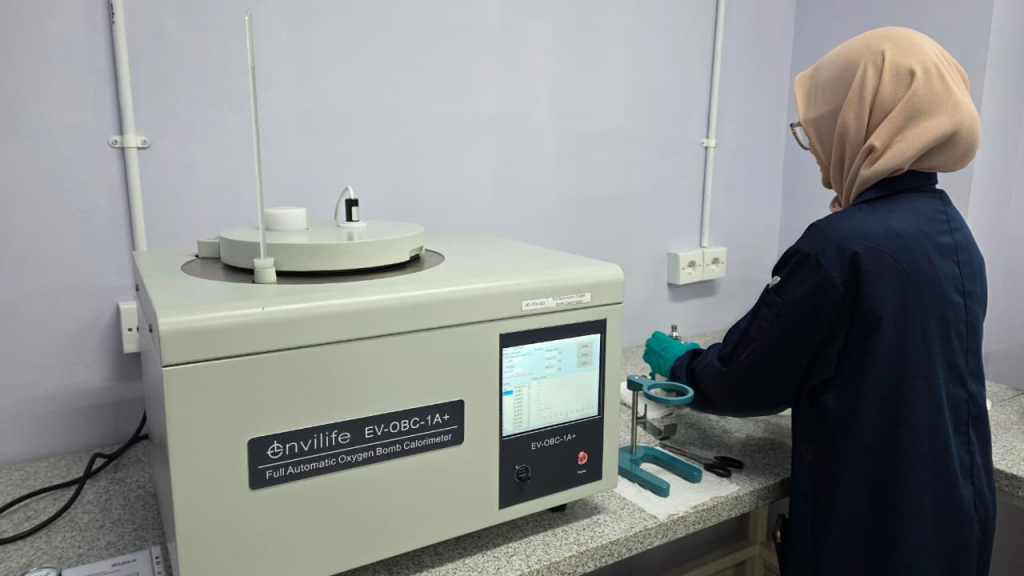
Heat of Combination is a parameter that shows the amount of heat energy released when a fuel burns. This parameter is an important part of the energy content evaluation, fuel characteristics, and energy performance for various industrial applications.
For liquid hydrocarbons fuel, testing Heat of Combustion can be used using Bomb Calorimeter based on ASTM D240 - Standard Test Method for Heat of Liquid Hydrocarbon Fuels by Bomb Calorimeter.
PT Hidea Core provides a service Heat of Combustion Testing using calimeter to help test and fuel quality evaluations.
ASTM D240 for Heat of Combination Testing
ASTM D240 is a standard method for determining heat of compromise of liquid hydrocarbon fuels by bomb calimeter.
This method is used for a variety of liquid hydrocarbon fuels, including products like:
- Gasoline
- Kerosene
- Diesel fuel
- Fuel oil
- Gas turbine fuel
- Another hydrocarbon liquor fuels suit the method fit
The test results give information about the energy released from the fuel burning, which can be used as one parameter in the analysis of product energy characteristics.
GHV and NHV in Heat of Combination
In terms of the fuel counselor value, there are two important terms to distinguish:
Gross Heat of Combustion (GHV)
Gross Heat of Combustion, also known as Higher Heating Value (HHV), calculated the heat released when burning water is condensed.
Thus, energy related to condensation of water vapor is considered in gross value.
Net Heat of Combustion (NHV)
Net Heat of Combustion, which is often associated with Lower Heating Value (LHV), doesn't account for the heat condensation of water results.
Simply put:
GHV / HHV > NHV / LHV
This difference is important because the use of gross or net values can produce different energy content numbers.
Therefore, when comparing lab testing results to specs, dataheet, or data suppliers, the computing base needs to be noticed.
Test principle with Bomb Calorimeter
The testing was done using the Calorimeter Bomb to determine the released heat energy during the burning sample process.
Simply put, the test stage can be described as:
Sample Preparation
↓
Sample in Combustion Bomb
↓
Combination in Oxygen Atmossphere
↓
Temperature Measurement
↓
Calorimeter Calculation & Correction
↓
Heat of Combustion Result
Fuel sample placed in combustion bomb and burned in an oxygen atmosphere. The released energy caused a temperature change in the calorimeter system.
The changes in temperature are then used in calculations to determine the heat of compulsion value.
Generated Parameters
The test results can be stated in several units, depending on the need for reporting, among other things:
- MJ / kg
- kJ / kg
- cal / g
- Btu / lb
The selection of reporting units can be adjusted to the product specs or customer needs.
In the result interpretation, it's important to make sure whether the value used is a Gross or Net base.
Lab Results Interpretation
The test results are not only used as numbers, but they can be the basic evaluation of fuel energy characteristics.
For example:
Heat of Combustion = 45.2 MJ / kg
That value shows the heat energy released by samples based on the conditions and tests bases used.
However, the result cannot be categorized directly as "good" or "bad." Interpretation must be done considered:
- Fuel type
- Product specification
- Gross or Net Base
- Units used
- Customer terms
- Historical data product
It's important especially when comparing the results of some labs or Certimate of Analysis (COA) from suppliers.
Why is Heat of Combustion important to the industry?
Evaluate Energy Content
Heat of Combination provides information about the energy available from fuel per mass unit.
This data can be used to compare the characteristics of energy between products or between fuel batches.
Quality Control
Testing may be used as part of a quality control to monitor the consistency of product energy characteristics.
Product Verification
Lab results can be compared to:
- Production Specification
- Certification of Analysis
- Supplier specification
- Historical data
- Customer request
Fuel Usage Evaluation
Data heat of compulsion can be used as one of the technical information in the energy need evaluation on various facilities that use liquid hydrocarbon fuels.
Heat of Combustion Testing Applications
The test of Heat of Combustion uses Bomb Calorimeter to support the needs of various industries, among other things:
- Oil & Gas
- Refinery
- Petrochemical
- Power Generation
- Mining
- Marine
- Fuel Supplier
- Industrial Manufacturing
The type of samples and the adjustment of the test method needs to be evaluated based on the characteristics of the material and the requirements of the valid specifications.
Heat of Combustion Testing at PT Hidea Core
PT Hidea Core provides service Heat of Combustion Testing using Bomb Calorimeter For fuel analysis and petroleum products.
Testing can be used for needs:
- Gross Heat of Combustion (GHV / HHV)
- Net Heat of Combustion (NHV / LHV) matches base and computation needs
- Energy content evaluation
- Fuel quality control
- Product verification
- Supplier verification
- Comparative fuel analysis
For every test request, sample type, result base, method, reporting unit, and specifications need to be confirmed first in order to test and report according to the purpose of analysis.
Why choose PT Hidea Core?
PT Hidea Core is a test lab that provides petroleum products and fuel analysis services for industrial needs.
Test service supported by:
- Bomb Calorimeter for test heat of communication.
- A competent lab personnel.
- The test method is consistent with the need for analysis.
- Lab quality control system.
- Reporting clear results.
- A technical consultant to determine the need for testing parameters.
Thus, the customer not only gets the test results, but can also consult on the type of tests, the GHV / NHV base, the unit, and the need for interpretation of results.
Service Information
PT Hidea Core provides service:
Heat of Combustion Testing
Gross Heat of Combustion (GHV / HHV)
Net Heat of Combustion (NHV / LHV)
ASTM D240 Testing
Bomb Calorimeter Testing
For technical consulting and laboratory testing needs:
Custom Service PT Hidea Core
📞 +62 877-6494-5736
